

Sailfish, The Untouched Fishery!
From early August to mid October we have a near shore state water sailfish fishery that almost no one takes advantage of. No, you're not going to catch one every time you go but this is still bill fishing, you may have a day you catch two or three and then you may fish several days without catching one. You're fishing for a trophy, it’s not supposed to be easy. But with a little effort you can catch a trophy of a lifetime. Almost every year they come close enough pier anglers even get the chance to catch a couple!
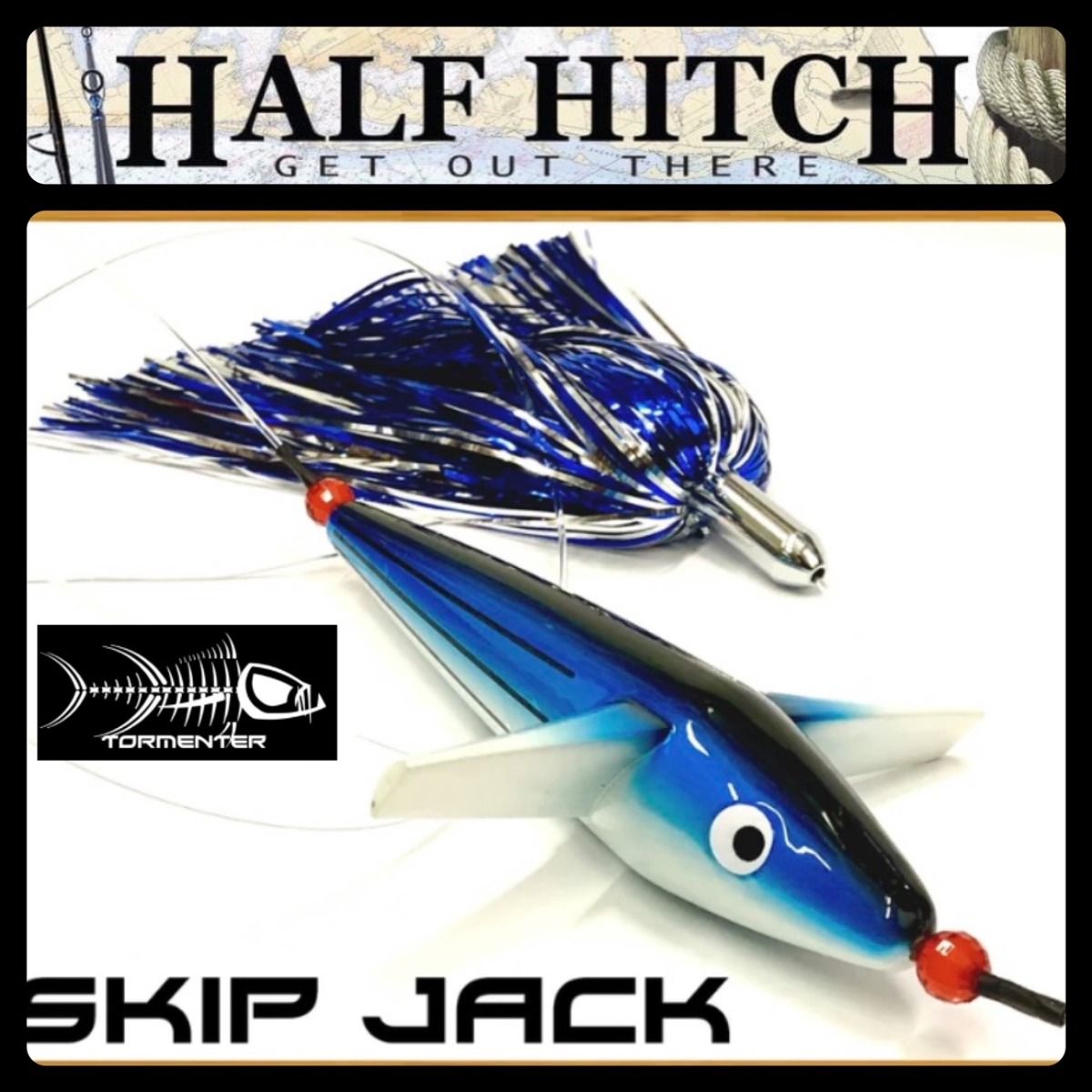
You can fish a variety of lures like the Tormenter Bird Rig with Duster or live baits. While fishing for sailfish you are likely to catch mahi or blackfin tuna as well. For the most bites your rigs need to be 60-80lb mono. Fishing this way you will also get some king mackerel bites and likely to get cut off by their teeth but if you go to wire you are much less likely to get your target species.



We suggest making stinger rigs with circle hooks 4/0 - 7/0 to match your bait. The circle hook gives the sailfish a much better chance of survival.
You will want to troll nearshore reefs and wrecks that are holding bait fish in the 60-100ft depths. Early mornings and late afternoons are best times. The days just before the full and new moon are the best days.
If you're in Destin try the southeast rocks, broken bottom, 18’s, Nicky grounds, and timber holes.
In addition to your lure and live bait spread you will want some spreader bar and daisy chain teasers.
If you live bait fish your speed is about 3 or 4 knots. Pretty slow. If lure fishing a bit faster in the 5 to 7 knot range.
In addition to live baits and lures using rigged small ballyhoo is awesome. Refer to our other blog post about the quick rig ballyhoo method via this linked text.
Using a Strip Teaser to Catch Sailfish, Blackfin Tuna, and Mahi near shore
When it’s time to lure a hungry sailfish or tuna to the boat, there are many teasers to chose. Spreaders and squid chains both will attract fish and entice a bite. Create the most splash and the biggest footprint in the spread as possible.
But without the camouflage provided by a moving boat’s white water, the live-bait sailfish that’s raised behind a barely moving sport-fisher or center console has more cause to be cautious. Tricking them into believing a feast awaits them at the surface is a task best handled using a different technique than conventional teasers.

Why Strip Teasers work
The strip teaser is meant to mimic a school of baitfish, so an inquisitive sailfish, as well as most other pelagics, will check out the flowing teaser simply because it’s flashy, creating a light-reflecting shimmer of commotion underwater and tricking the predators into believing this is a bait school worthy of investigation. From the tower or the bridge, it’s easy to see this glitzy display in clear water, and the likelihood of seeing a lit-up sailfish checking it out — or with its head buried in it — is very good, if you are watching for it.
Most days we run the strip teasers on the surface.
On those days when you encounter high winds, big seas or ripping current, you might need to attach a trolling lead in front of the teaser to keep it in the water and skipping on the surface without becoming tangled; anywhere from 6 to 24 ounces should do. Keep a selection of lead sizes so you have the correct weight at the ready once you analyze the conditions. It is important the teaser is not overweighted, which will result in it hanging straight down as opposed to being stretched out behind the boat and waving enticingly in the current.